Blog

A year of painting every day

Towards the end of 2024 I met someone who told me they had a practice of making artwork every single day. No particular constraints- just make something every day. I’m pretty sure she said she’d done 1000 days! Maybe I’m misremembering? That seems like a lot. Anyway, I was impressed. She said It didn’t matter how the thing turned out because the result “didn’t mean anything about her as an artist” If it went badly it didn’t matter, it was simply a picture and another one would get done tomorrow.

I’d been feeling for a while that I needed to set aside some time to make some personal work, and I’ve always struggled to get any done when there’s no deadline. Perfectionism probably. Anyway, the idea of “just do something, it doesn’t matter if it’s good” appealed to me a lot. So I decided I’d commit to it there and then. I’d already been doing a few watercolour plein-air paintings at the time, so a little painting every day made sense.

Well, I did it. In fact, I ended up with 385 paintings in total- which is 1.05 per day. And now it’s time I looked back to see whether it was all worth it.

I did a lot of bad paintings. In fact, most of them were very bad. The “hit rate” has been shockingly low actually.
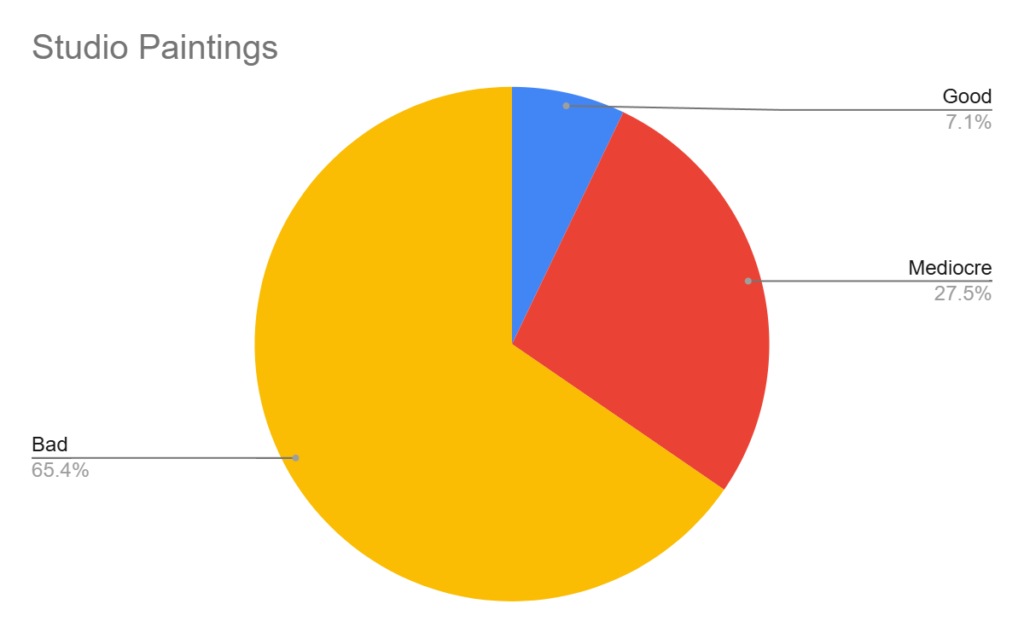
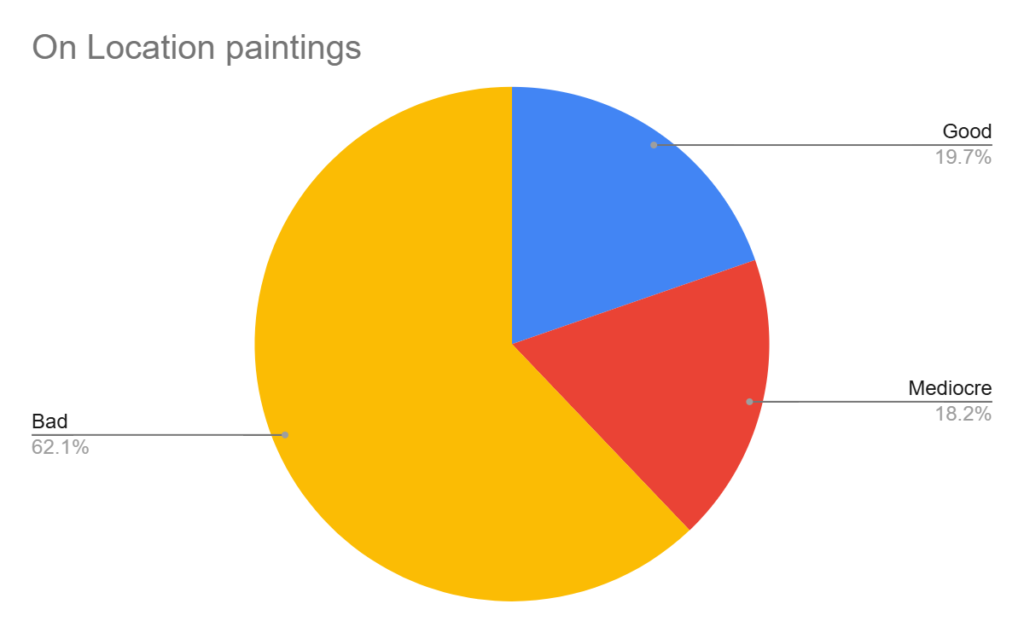
I also didn’t enjoy painting a lot of them. I’d say at least a third I just hated doing. I should note though that in a lot of cases I resented the start of the painting and enjoyed the middle. Whether or not I enjoyed the end came down to whether I thought that particular painting had gone well.

A 30 minute study from a photo

Did I improve? Yes, I think so, though maybe not as much as you might think. And certainly not as much as I’d hoped.

Here’s a handful of takeaways:

Bad paper makes watercolour a lot less fun. It undermines you at every turn! Cheap “watercolour” paper is actually often worse than other “general purpose” papers or thin card. If it feels bad, it is bad. On the other hand some papers can be so exquisite and delightful that it’s hard not to make excess marks just for the sheer hell of it.
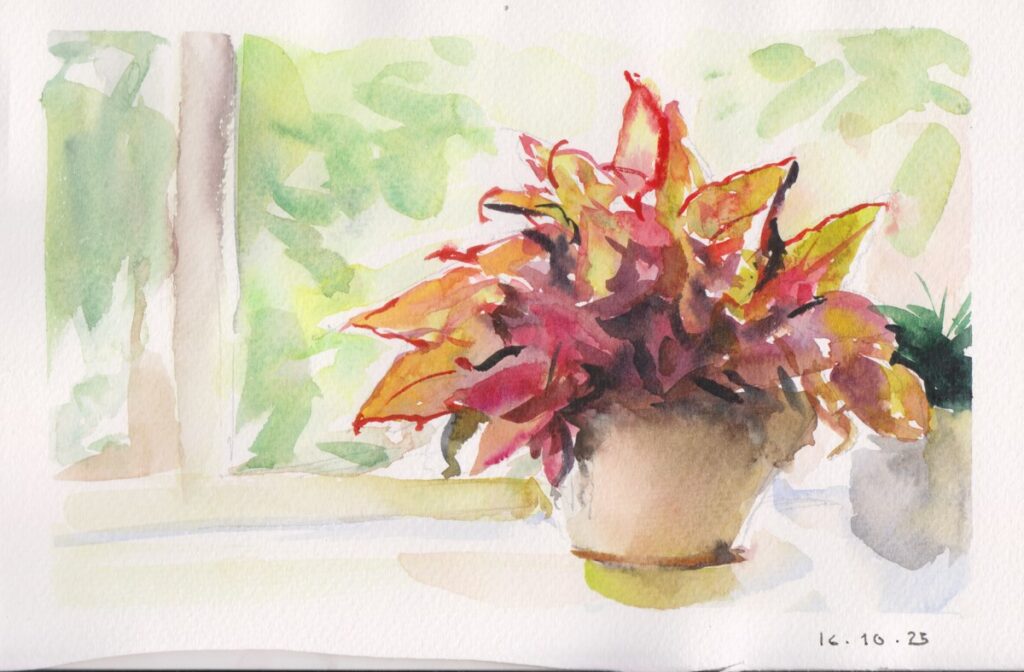
A house plant on the window ledge.

Painting from a photo is not nearly as satisfying as painting from life. It doesn’t even matter what the subject is.

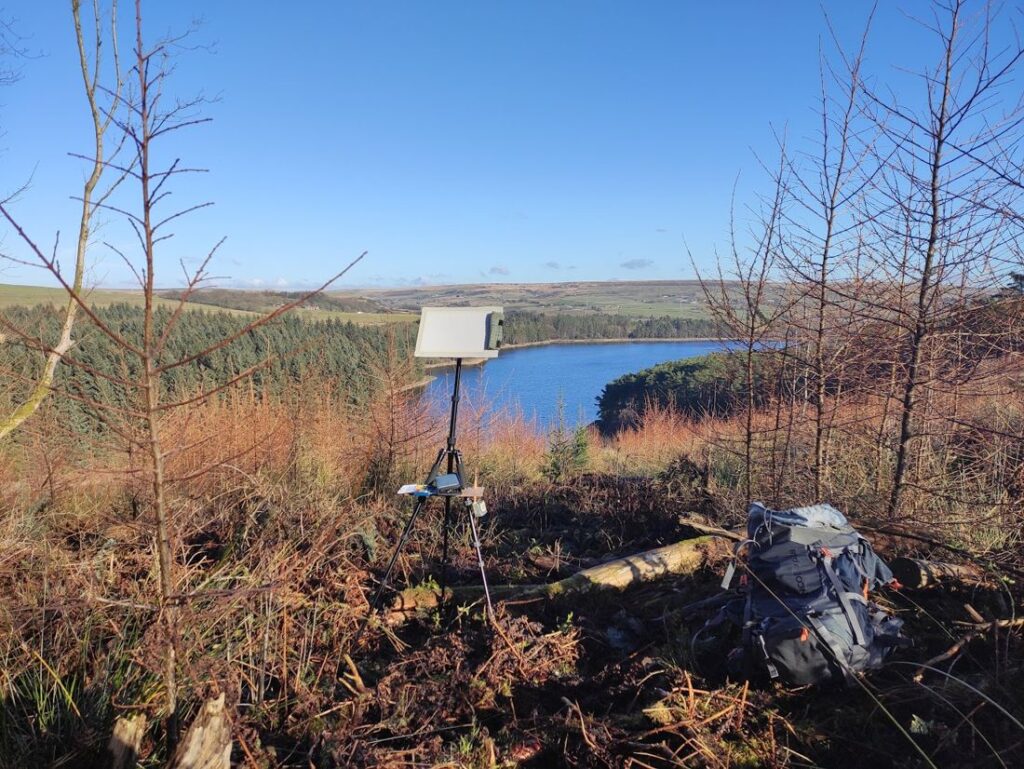
Painting on location (en plein air)- especially somewhere beautiful- is one of the most rewarding things you can do as an artist. With the exception of one or two catastrophises- I prefer all my plein-air paintings to any of my photo studies, and I enjoyed making them about ten times more.
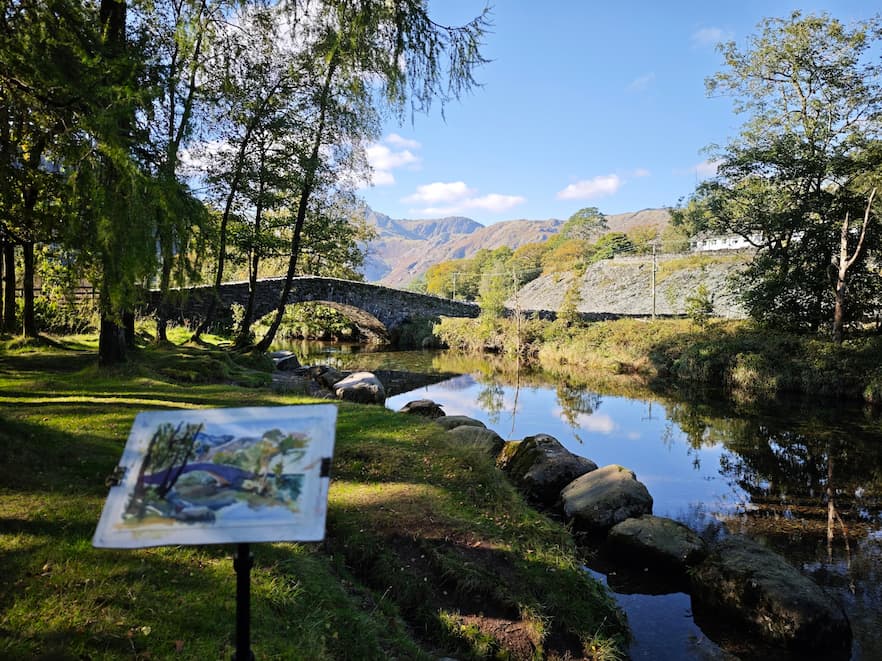
The fact that I was thinking about painting constantly led me to do things I wouldn’t normally- like heading out in the twilight to paint the sun going down over Anglesey, or going on on freezing cold days to paint so I could have at least one plein-air panting per month.
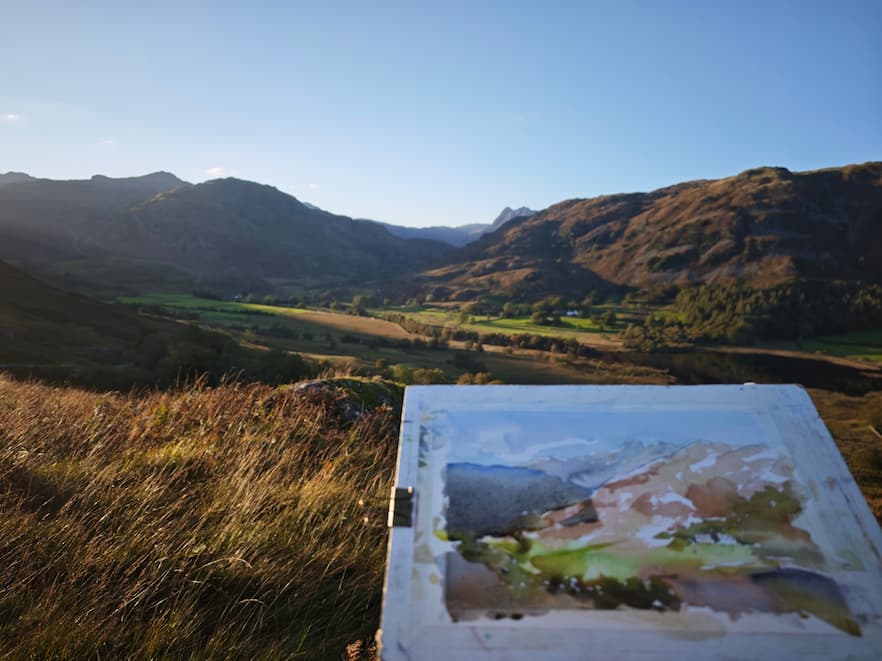
Sunset over the Lake District. I spilled water all over this immediately after finishing it.

Any personal connection to the subject improves the painting. Your own photos beat someone else’s, or something off the internet, even if the subject is more photogenic. All those boring still-lifes and flower studies I hated as a younger artist may well exist simply because it’s more fun to paint anything real- even some fruit- rather than a photo.

Rushing spoils paintings. Which is unfortunate when you just want to get it done and “ticked off” for the day. Doing one complete painting a day means that you often rush.
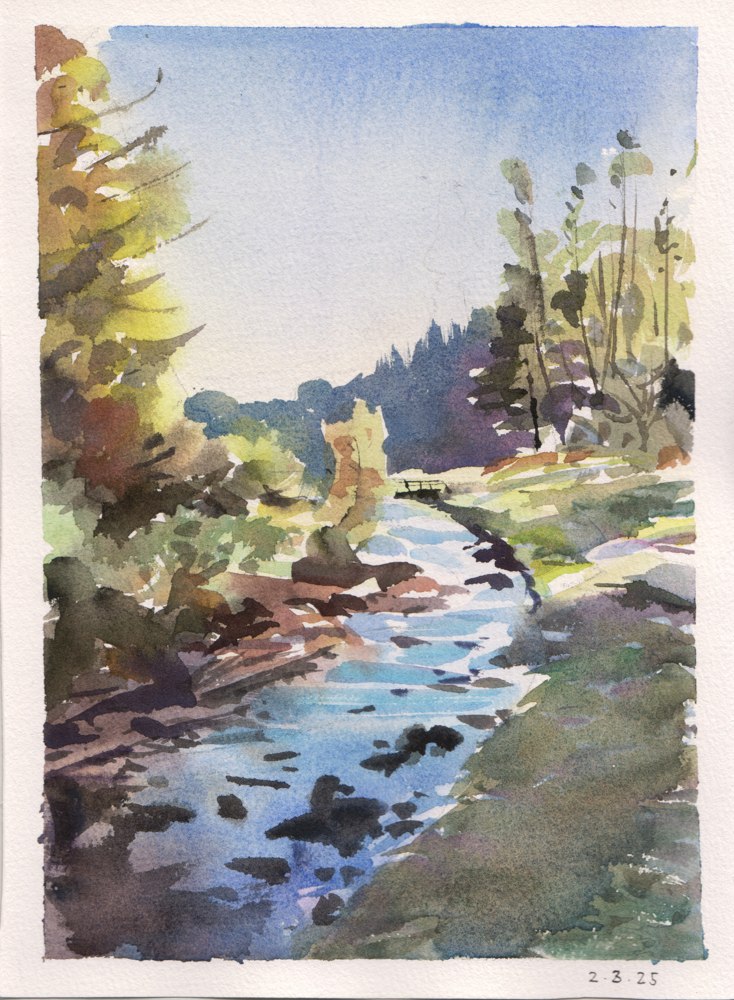
Your gear will probably improve. I made a little painting desk- it’s an old board screwed onto an Ikea chest of drawers. It’s the kind of thing I might not have bothered doing if I hadn’t committed to daily painting and knew I was going to make use of it. Similarly, I’ve tuned my brushes, experimented with palettes and paints, and bought a fair bit of stuff. I’ve tried:

  • 27 different types of watercolour paper
  • 9 different paint brands
  • A lot of different brushes.

As a very brief summary of what I recommend:
Rosa Gallery paints.
Arches paper.
Pro Arte brushes.
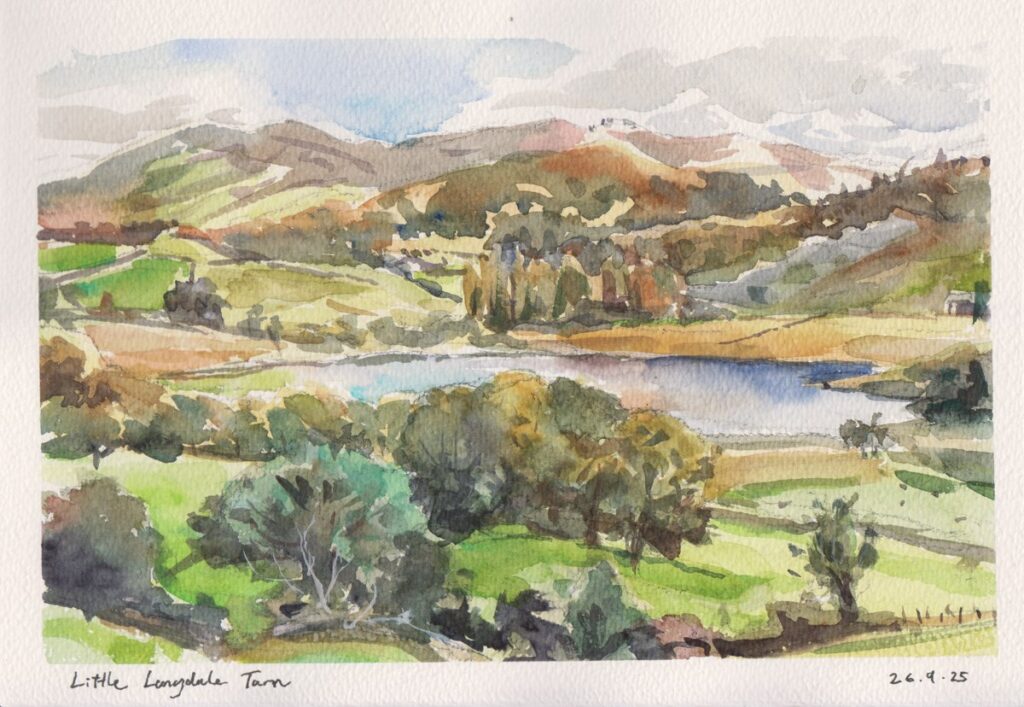
Little Langdale Tarn- painted on location on a very changeable day.

So for 2026 have I carried on?

No. I haven’t done a single painting for 2 months now. At first it felt like something was definitely missing, but it’s also nice to not have that daily “task” hanging over me. I intend to paint when it’s fun- which means when the weather is nice, basically. Now, what the hell do I do with all these dodgy paintings?
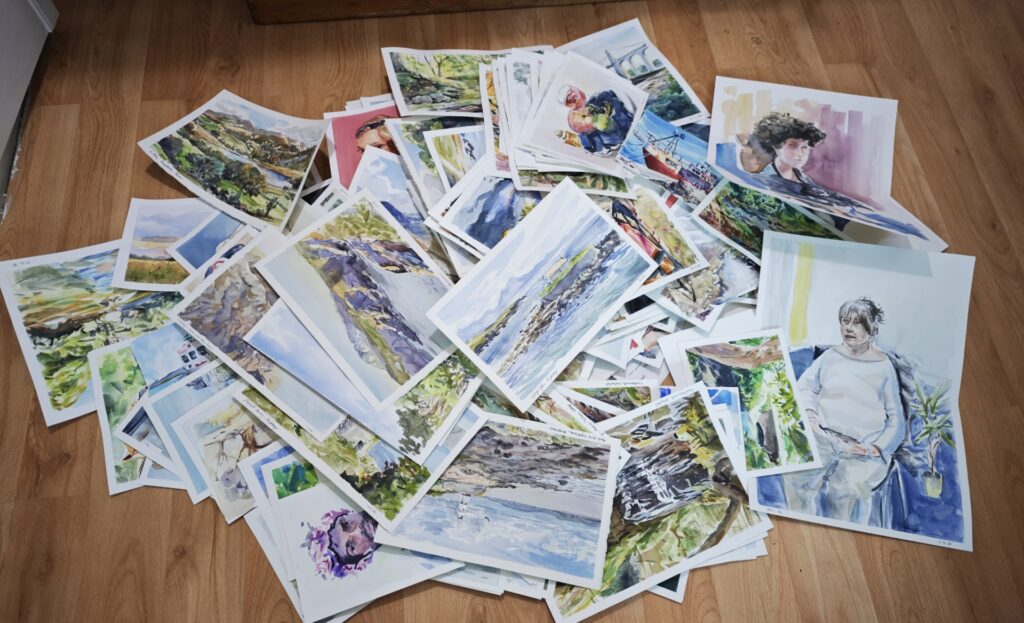
A year’s worth of paintings.

Book Cover Design for Indie Authors

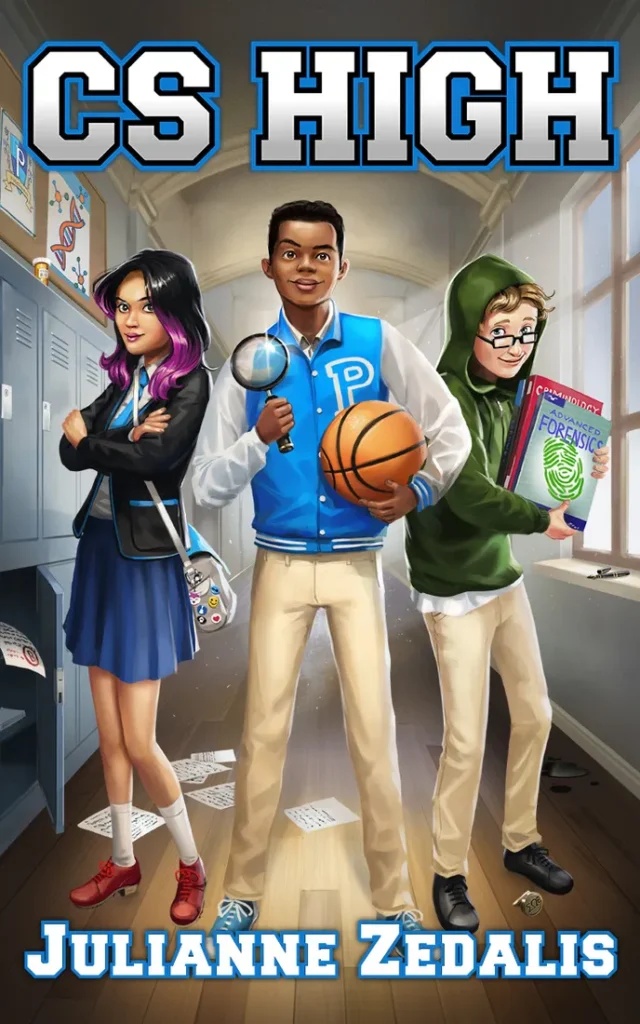
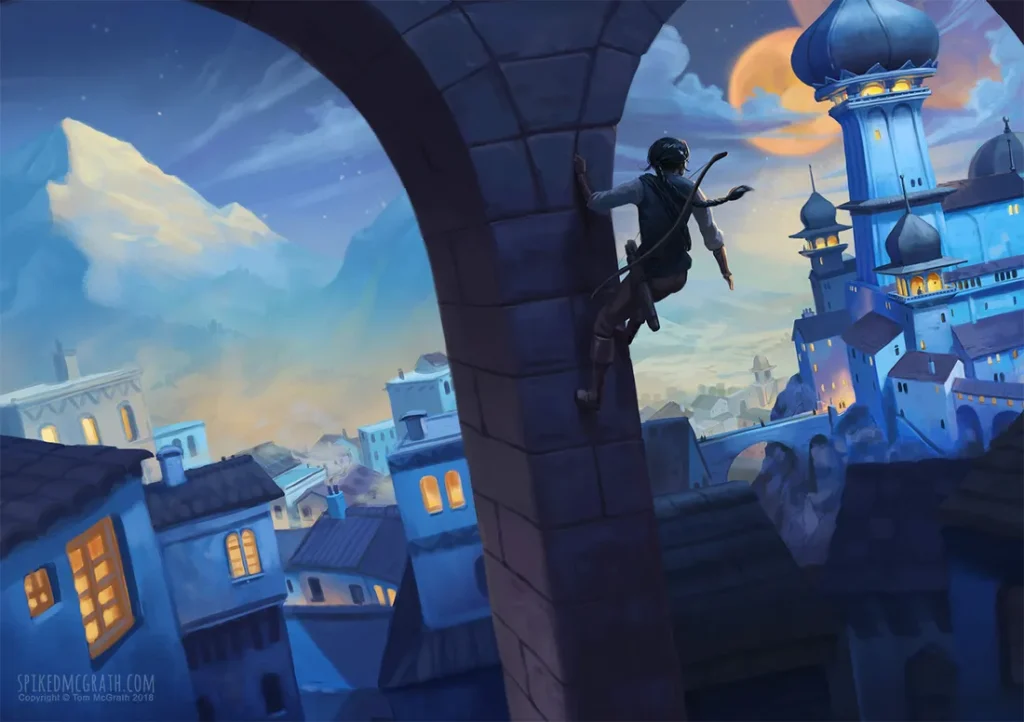
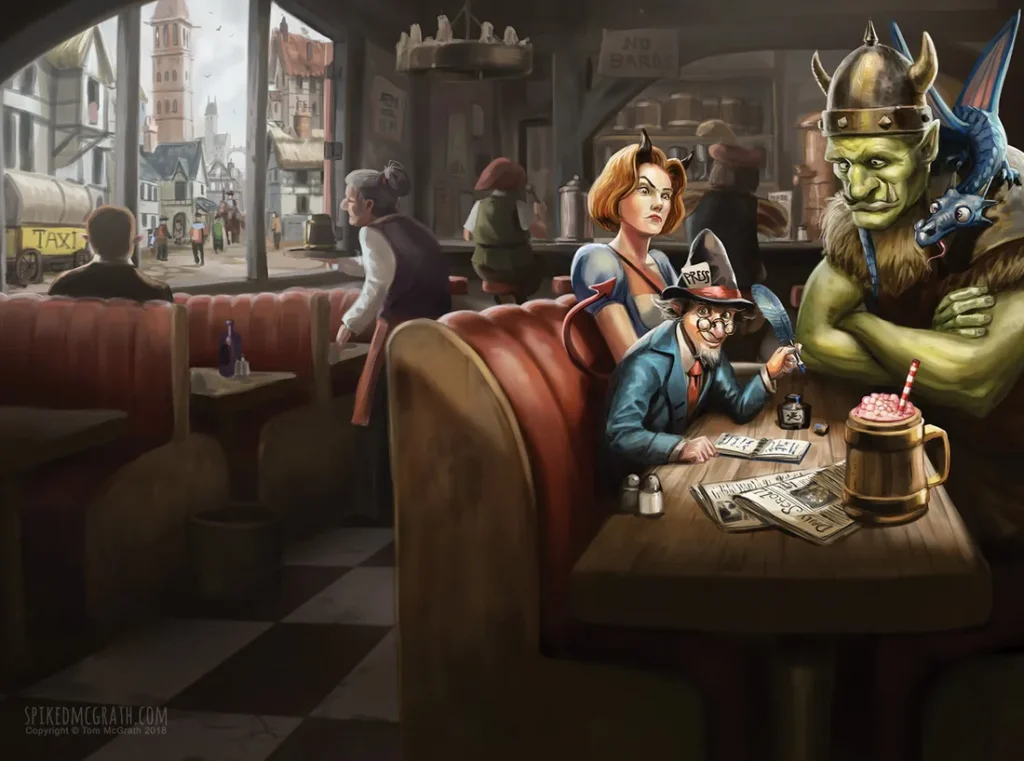
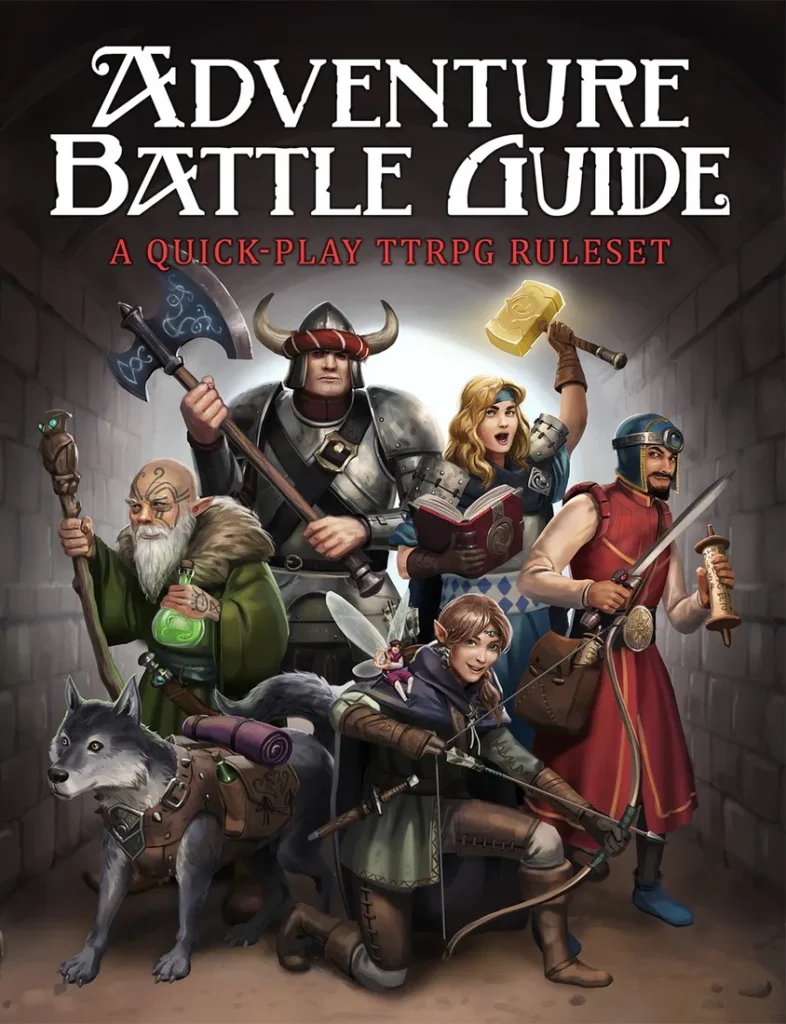
I thought I’d make a post to show off some of the book covers I’ve designed and illustrated in recent years, as well as talk about the process of creating them.

All these are in collaboration with independent authors self-publishing their books. I’ve had the privilege of working with many passionate writers and creators over the years, and am grateful for the trust people place in me to do the cover for a project that may have taken years to create!

A lot of these commissions have come via Reedsy: https://reedsy.com/tom-mcgrath
I’ve had pretty good reviews there (so far!)

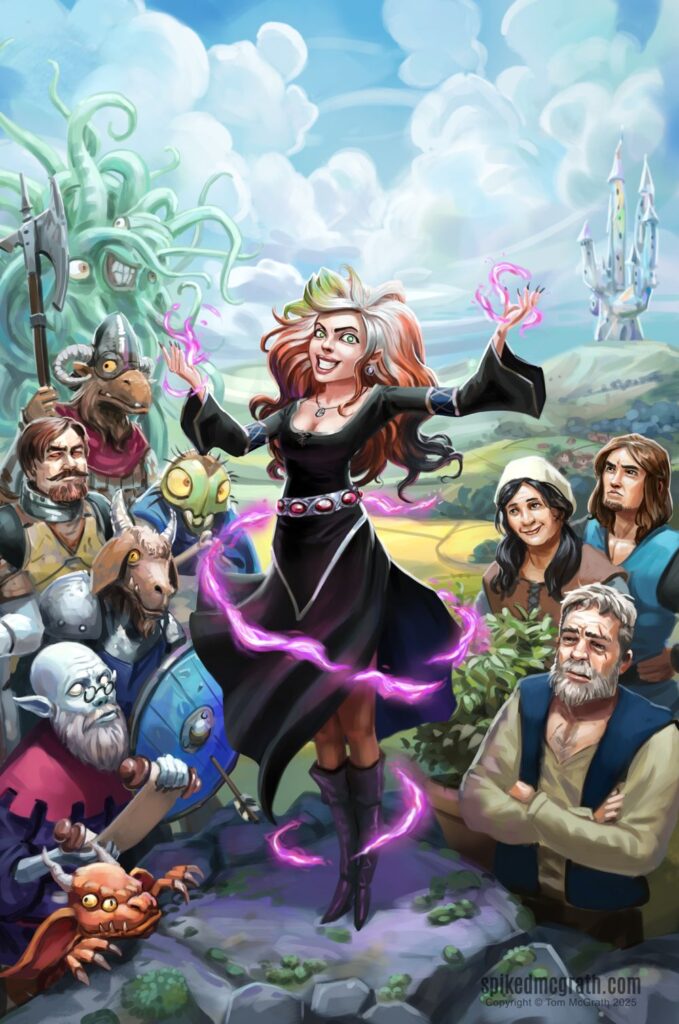
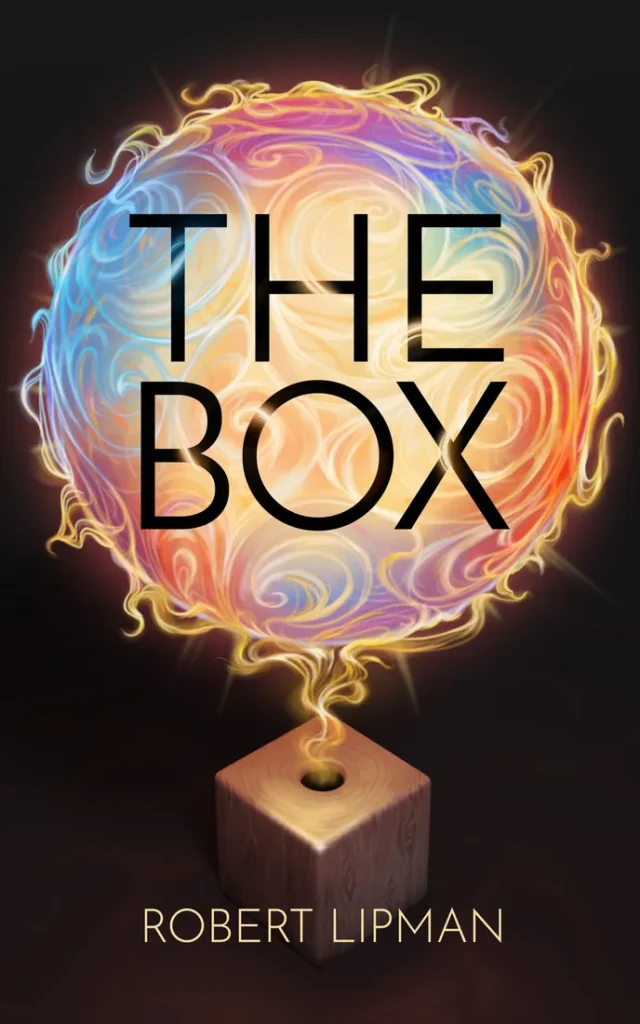
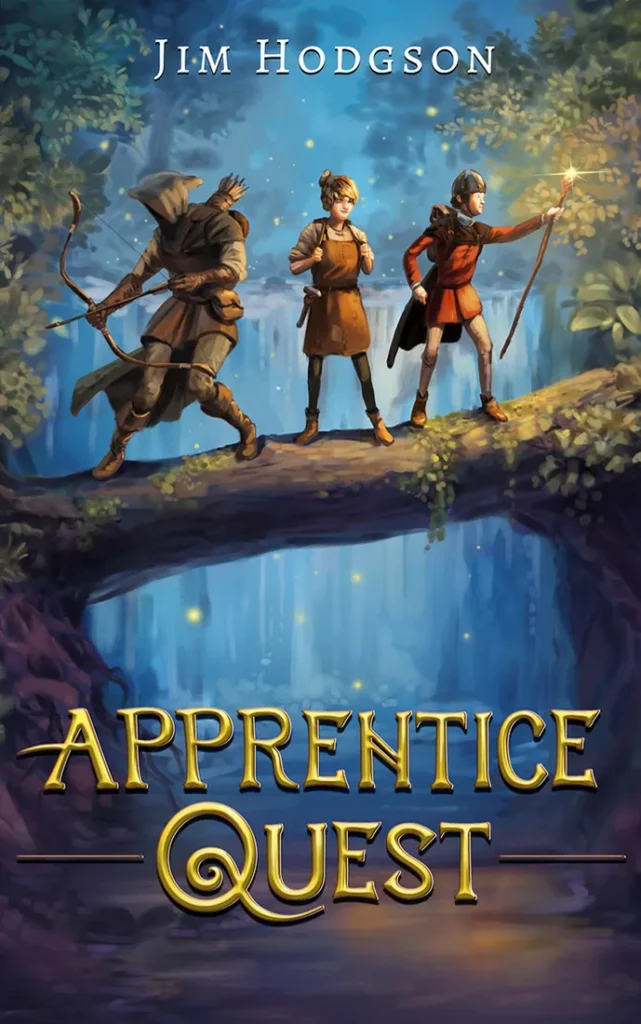
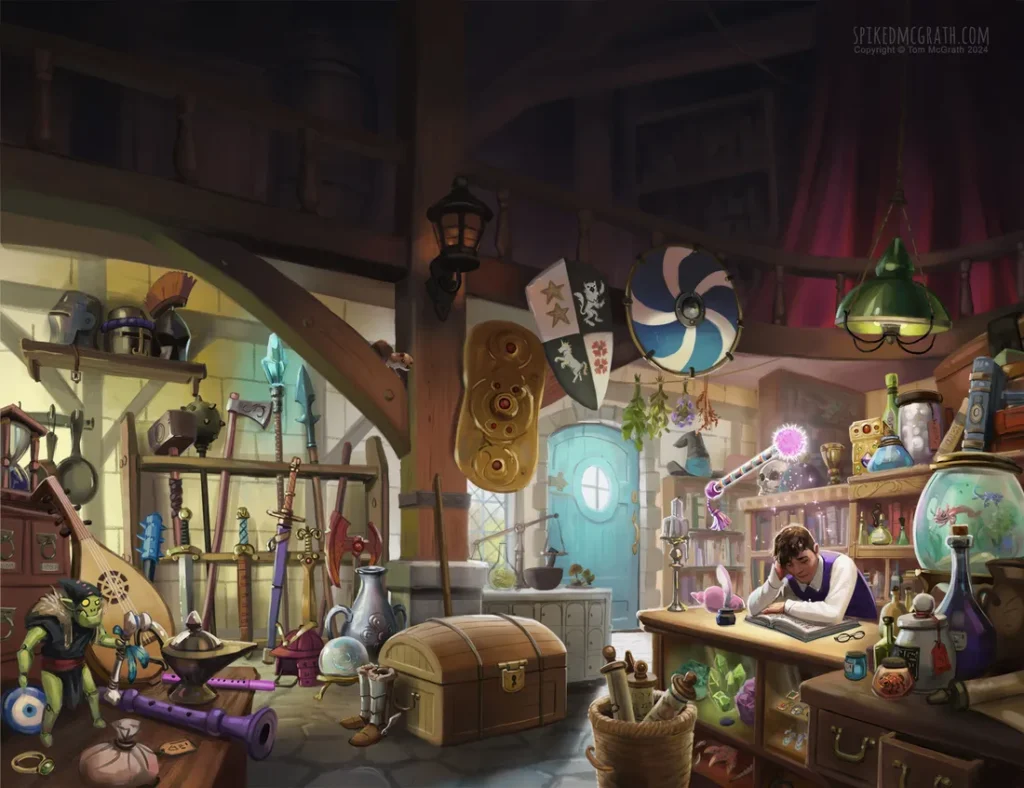
Here’s a few I’m particularly proud of- some complete covers and some illustrations from different books I’ve worked on:

How the cover creation process goes:

We start with a brief- some notes, or maybe a few chapters from the book so that I can get a feel for the project and the type of thing that might work for the cover. Some people are kind enough to send me the whole manuscript. Though I rarely have time to read a whole book- I’ll always read a few chapters and any notes I’m given.

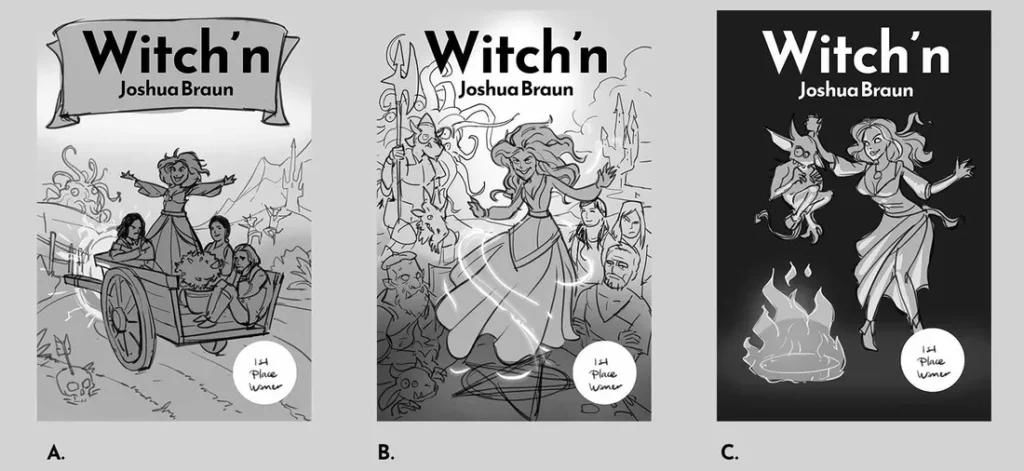
After reading up on the project and discussing ideas with the client- I always start by drawing up some thumbnails of potential options for the cover. Every cover design has to work at a small scale so that it draws attention even in it’s tiny product thumbnail form, so I’m keeping this in mind when designing. Big shapes, clear silhouettes and graphic forms work best. Usually I pick the best one or two then send them over to the client for review.

Thumbnail drawings for Witch’n by Joshua Braun

Once they’ve picked the one they like best- or some variation on the thumbnail- we proceed to the next stage- which is usually a colour plan. As before- I start with a few options and pare them down to the strongest. Again, the client gets a chance to review and direct, and once they’re happy we proceed to the next stage.

A rough colour plan for Leo and Notsch by Jason Parks

Throughout the process I’m thinking about the ultimate purpose of the design. There’s a always a tension between the most creative ideas and the reality of what a cover design is- which is marketing. It pains me as an artist sometimes, but the commercial element is extremely important to a successful design. Supposing you created the most avant-garde, creative and personally fulfilling cover design possible, uploaded it to Amazon and waited for the sales to roll in? In reality people who enjoyed your genre of book would almost certainly scroll past it because they didn’t know it was for them! A potential buyer seeing your cover for the first time with no other context is always making a snap judgement about whether it looks like the kind of thing that they (or their intended reader) actually reads.

The frustrating (in my opinion) reality is therefore that you have to be informed by what everyone else is currently doing- so you can give the right context cues about the target audience. If you can tell the genre and the target audience straight away then the design is doing it’s job. This often frustrates authors too, because nobody likes to put their work in a box. The fact is though that it helps a great deal to have an audience in mind!

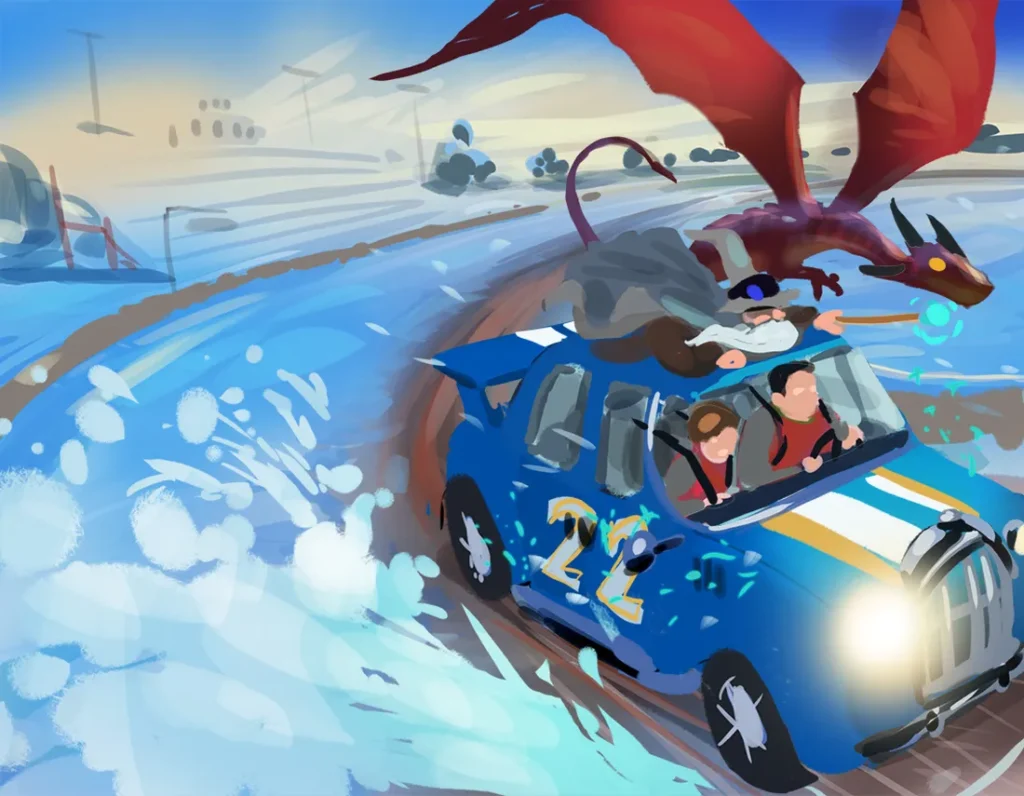
The final illustration stage is next- where I go away for (usually) a week or two and paint the final artwork. This is where I can start to relax, because at this point I know what to do, and I just have to do it! There’s one last chance for review by the client before this stage is signed off.

A wizard clings to the roof of a race car, while a red dragon flies alongside.
Leo and Notsch- the final cover illustration

Once the illustration is done- it’s down to the last part- which is usually graphic design. This involves placing the text, typesetting and styling, along with any other elements like logos. Again, it’s a back and forth with iteration until the final result is achieved.

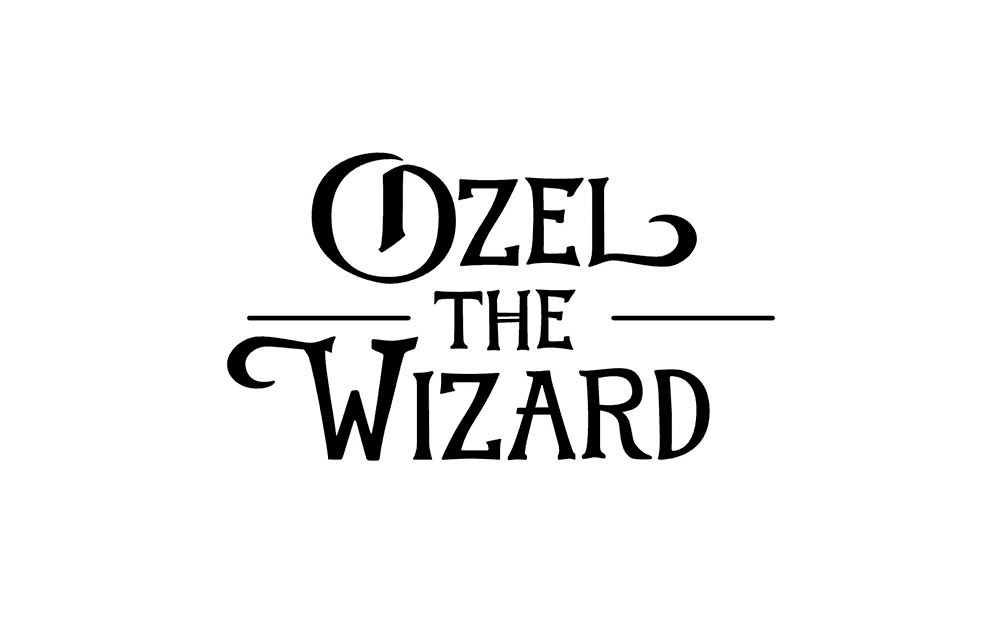
Sometimes there’s custom lettering involved- which is an involved process in it’s own right.

A bit of custom lettering for the Ozel the Wizard series by Jim Hodgson

Once everything is approved- I process and deliver the final files. Usually I’ll stick them in a .zip file on google docs, or just send them directly if the file size isn’t too big.

If anything needs tweaking- then I’ll sort that too. Often when publishing to Kindle direct or Ingram Spark people find that the template needs to fit exact dimensions that account for the page number and the paper type- so that often requires a final adjustment.

If you’re interested in having a cover designed, or need illustration for a project- you can contact me here and I’ll be happy to help: contact

Alternatively, if you’d like you can also request a quote over on Reedsy you can do that here: https://reedsy.com/tom-mcgrath

Cheers!

General Wisdom for Artists in 2025

I first started these General Wisdom for Artists posts over ten years ago! Analytics tells me that people have actually been reading them!

Perhaps this is too personal, too abstract, too disparate. I don’t know. I’m writing it to get my thoughts in order as much as to help others. Here we go:

Fluency

There exists a type of learning that can only be built up through repeated doing. Sounds obvious, I know. But the point is that all these blog posts and art tips are only a skeleton upon which the muscle and sinew of actual experience must grow! I call this type of learning “Fluency”.

In the same way you can learn a new language and become fluent- so too can you learn the fundamental principles of art and become fluent in each of them. Think of it this way- you can speak a new language by consulting a phrase book, or you can become fluent in it. It’s the difference between book-learning and true understanding.

You don’t know what you don’t know.

Supposing you recorded your workflow for a few different pieces and put them on youtube. Then you watched it back, maybe comparing your approach to other artists. You’d be struck by the particular patterns you follow and the particular ways you do things. You might also notice a few repeated mistakes.

You have a method, skillset and strengths that you probably haven’t articulated to yourself before. It’s to your benefit to understand these. You don’t know what you don’t know, and tackling your blind spots will make you a better artist.

This connects somewhat with the fluency idea expressed above- because sometimes you can be fluent in doing things wrong! Having looked over some of my recent artwork I know that messing up perspective and tonal values comes to me as easily as riding a bike. I thought I had these things sussed out years ago. It’s something I have to work on I suppose.

Enthusiasm

I haven’t done much digital work for myself in recent years. I used to fill sketchbooks, digital and traditional- and even that has stopped. Life has had ups and downs- and the art “industry” is currently in middle of an existential crisis with generative AI. Or maybe it isn’t- who can say? Personally I don’t know what to think anymore.

It’s a strange time to be a digital artist. We’re sort of still useful, but who knows how long for? I’ve painted book covers for clients who originally used generative AI- but found that the results turned people off by being too artificial- too obviously AI. I occasionally get given AI references that are better than I could ever paint and get asked to recreate it.

I’m rambling a bit but the point is that it’s hard to devote myself to something that used to have such obvious value, and now might not. Should I be re-training as a plumber right now?

The one consistent joy for me has been plein air painting- which might be less about the art and more about the act of getting out into the world and doing something purely for the hell of it. Do what you love, right?

It’s almost always worthwhile to leave the house.

Some final scattered thoughts

Present your work nicely. Consistency is key. I rarely follow my own advice on this one.

Automate unimportant decisions. Life’s to short to spend lots of time on the minor things.

Finish what you start. I’ve been prone to making lots of little incomplete drawings and paintings over the years, and none of them are good enough enough to show to anyone, but also not original or interesting enough to satisfy myself!

Don’t skimp on hardware- I bought an Ipad pro in 2021 and have used it every day since. It was expensive, but it’s been worth it. The lenovo tablet I bought just a couple of years earlier has mainly sat in a drawer because it’s terrible. The price difference wasn’t even that much!

That’s it for another few years I think.